All posts

September 23, 2026

The Best Time to Visit New York: A Month-by-Month Guide

There's no bad month to visit New York, but there are very different ones. The same Fifth Avenue block can be a snow-hushed postcard in February, a sweltering canyon in July and a shoulder-to-shoulder holiday parade route in December. When you go shapes what you pay for a hotel, how long you queue, what you pack and which experiences are even on the menu.

Our guides walk these streets every day of the year, so here is our honest, month-by-month take: what the weather is really like, when the crowds peak, which events are worth planning around and how hotel prices tend to move through the calendar.
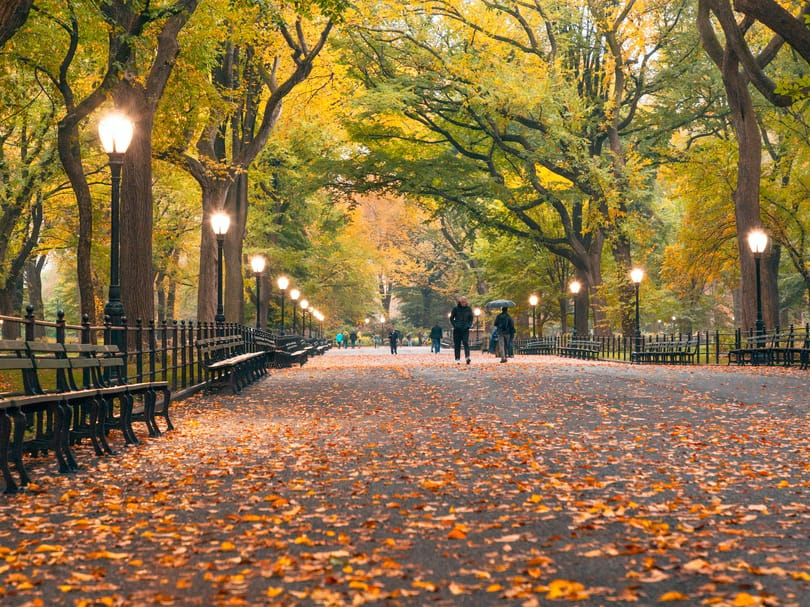
Central Park in Fall
Central Park in autumn, one of the city's most rewarding seasons

New York at a glance

Best all-round
Late April to early June; mid-September to early November
Best value
January to early March (outside holiday weekends)
Busiest
Late November through New Year's, and July to August
Hottest
July, often humid
Coldest
January and February

The short answer

If you have a free choice, aim for late spring (late April to early June) or early fall (mid-September to early November). Both bring comfortable walking weather, long enough days, outdoor dining, and parks at their best. If budget matters more than sunshine, January and February are the city's great bargain months. And if you want the full holiday spectacle, December is unforgettable, as long as you book early and make peace with crowds.

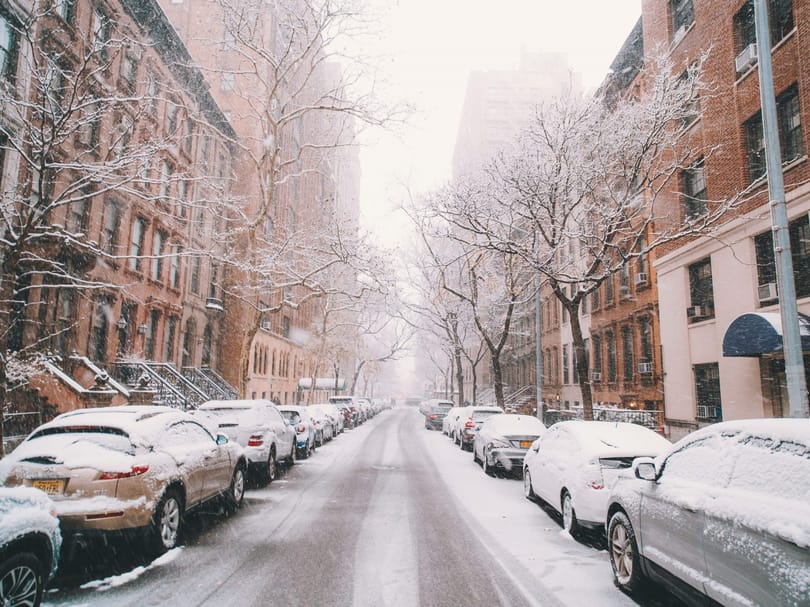
Snow in NYC
A fresh snowfall quiets even the busiest avenues

January and February: cold, calm and good value

After the New Year's Eve rush, the city exhales. January is usually the coldest month, with daytime highs often hovering in the 30s Fahrenheit and the occasional snowstorm that turns Central Park into a sledding hill. Wind funnels between the towers, so it can feel colder than the thermometer says.

The reward is space. Museums are calmer, restaurant reservations are easier and hotel rates are typically at their lowest of the year. Look out for NYC Restaurant Week and Broadway Week promotions, whose winter editions usually run from late January into February, and the Lunar New Year celebrations in Chinatown, which fall in late January or February depending on the lunar calendar.

March: the thaw begins

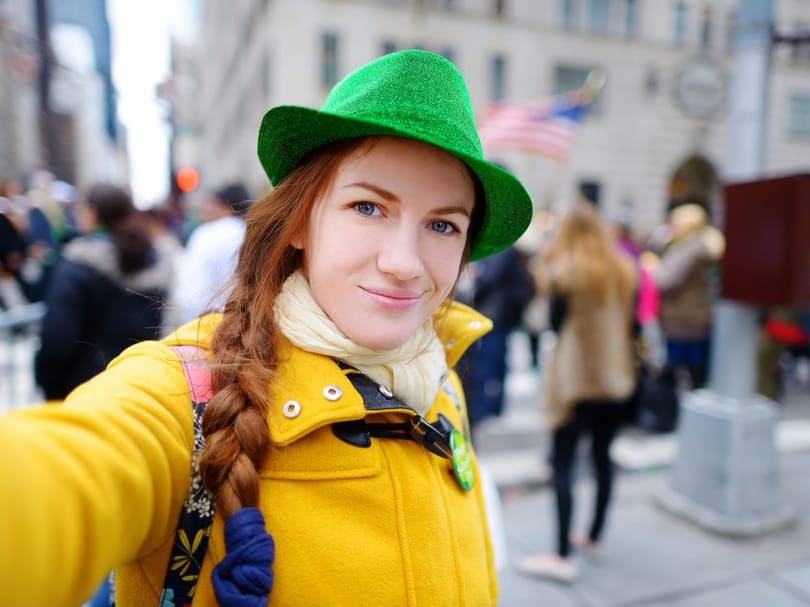
March is changeable: one day feels like winter, the next like a preview of spring. Crowds start to build around spring break, especially later in the month. The big date is St. Patrick's Day, when one of the world's oldest and largest parades marches up Fifth Avenue on March 17 (or on Saturday the 16th when the 17th falls on a Sunday). It's a joyful spectacle, but it also closes streets in Midtown, so plan your day around it.

Young tourist taking a selfie with her smartphone during the annual St. Patrick's Day Parade on 5th Avenue in New York City
The St. Patrick's Day Parade on Fifth Avenue

April to June: the sweet spot

Spring is when New Yorkers fall back in love with their city. April brings blossoms to Central Park, Riverside Park and the Brooklyn Botanic Garden, whose cherry trees draw big crowds when they peak. Easter weekend brings the informal Easter Parade and Bonnet Festival on Fifth Avenue near St. Patrick's Cathedral.

May is arguably the most pleasant month of all: mild days, outdoor cafés, rooftop bars reopening and the High Line in full bloom. Late May and mid-July also bring Manhattanhenge, when the setting sun lines up with the street grid.

June warms up and gets busier, with long evenings, free outdoor concerts and film screenings starting in the parks, the Tribeca Festival, and the NYC Pride March, traditionally held on the last Sunday of the month. Hotel prices climb steadily through spring, so book well ahead for May and June.

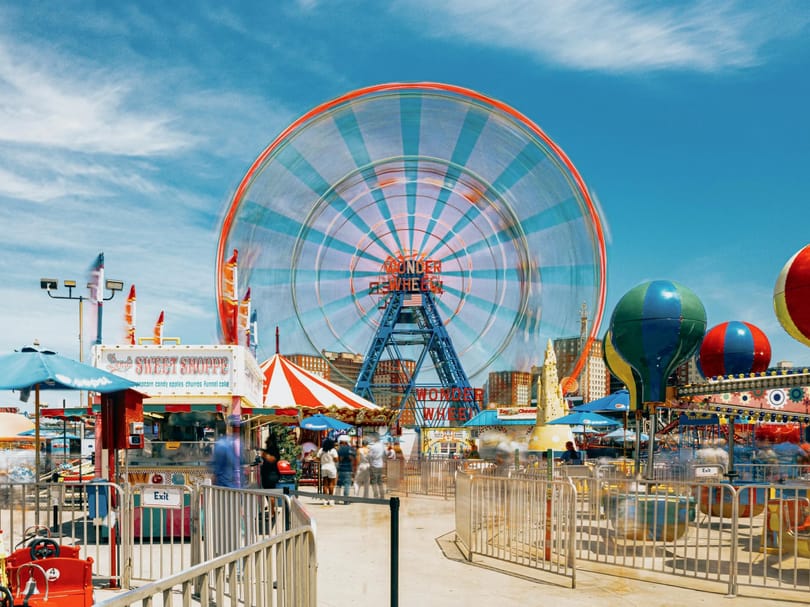
Colorful Summer Day at Coney Island Amusement Park
Coney Island on a colorful summer day

July and August: hot, humid and full of life

Summer in New York is sticky. Highs in the upper 80s are common, heat waves push into the 90s, and subway platforms can feel like saunas. Afternoon thunderstorms roll in without much warning.

But summer is also the season of free culture: concerts at SummerStage, Shakespeare in the Park at the Delacorte Theater, outdoor movies in Bryant Park and beach days at Coney Island and the Rockaways. Macy's Fourth of July Fireworks light up the rivers on Independence Day. Many locals leave town in August, which makes restaurant reservations easier, although visitor crowds remain high. Start days early, save indoor museums for the afternoon heat, and carry water.

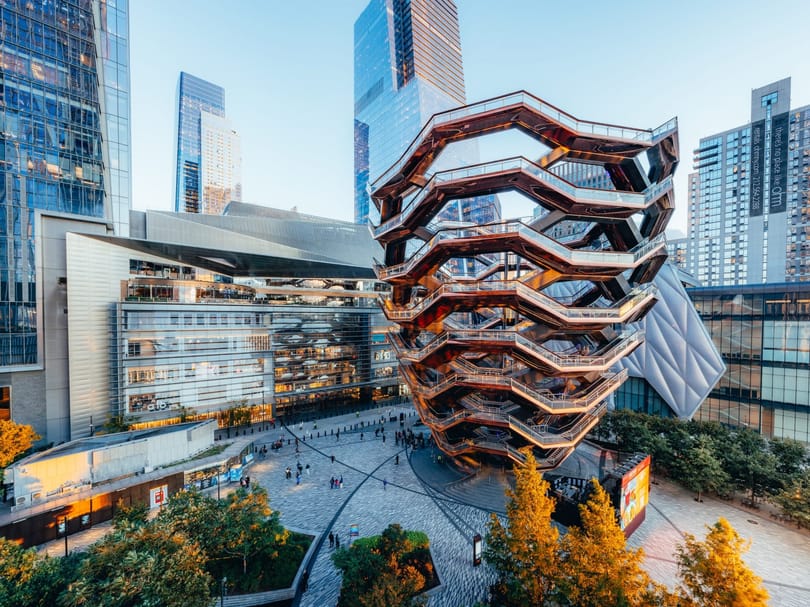
The Vessel in NYC during fall
The Vessel at Hudson Yards on a fall afternoon

September to November: crisp days and big events

Early fall is our guides' favorite walking season. Humidity breaks, the light turns golden and the city returns from vacation with fresh energy. The US Open tennis tournament runs in Queens from late August into September.

One thing to know: during the United Nations General Assembly in September, Midtown East sees road closures, heavy security and some of the year's highest hotel rates. October brings foliage in the parks, Open House New York weekend, when normally closed buildings open their doors, and the famously exuberant Village Halloween Parade on October 31. The New York City Marathon takes over all five boroughs on the first Sunday in November, and the season ends with the Macy's Thanksgiving Day Parade.

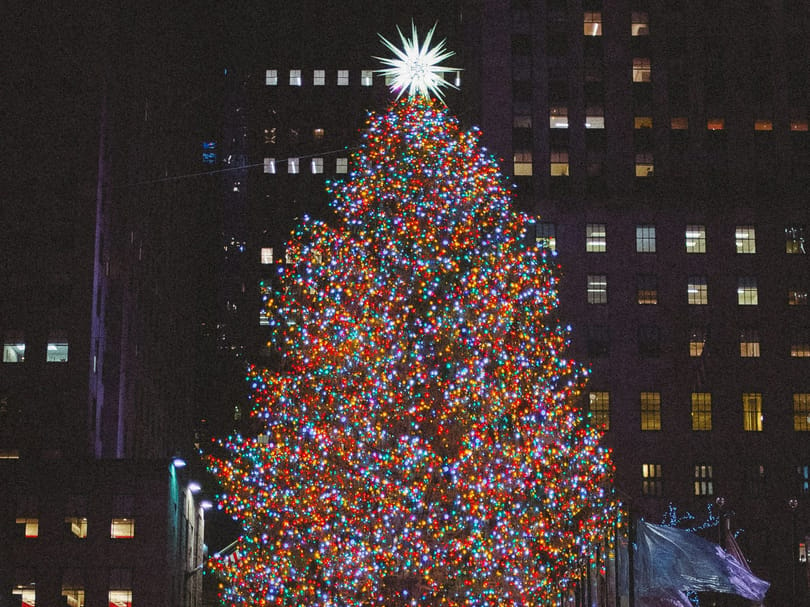
Rockefeller Center Christmas tree lit up in NYC
The Rockefeller Center Christmas tree

December: magic, with a price tag

From the lighting of the Rockefeller Center tree to the ball drop in Times Square, December is New York at its most theatrical. Store windows on Fifth Avenue become art installations, holiday markets pop up in Bryant Park and Union Square, and the Brooklyn neighborhood of Dyker Heights turns into a blaze of lights, best seen on our Dyker Heights Christmas Lights Tour. It's also the busiest and most expensive time of year, especially the weeks just before Christmas and New Year's Eve. Our insider's guide to Christmas in New York has the full plan.

How hotel prices tend to move

Prices vary by neighborhood and by week, so always check current rates, but the broad pattern is reliable. Rates are usually lowest in January and February, rise through spring, soften slightly in the heart of summer, spike again in September and October, and peak in the holiday season. Big events, from the UN General Assembly to the Marathon, can push prices up for a single week. If your dates are flexible, shifting by a few days can make a real difference.

Before you book your dates

  • Check whether your trip overlaps a parade, marathon or UN week
  • Book hotels early for May, June, September, October and December
  • Pack layers in spring and fall; temperatures can swing in a day
  • Plan indoor backups for summer heat and winter storms
  • Reserve timed-entry attractions and observation decks ahead
  • Look for Restaurant Week and Broadway Week deals in winter

Make any month count

Whatever the season, the quickest way to get your bearings is with a local. Our NYC in a Day Walking Tour covers the essential sights in one well-paced outing, and in colder or hotter months our Manhattan by Private Luxury Car tour keeps you comfortable between stops. Browse all our walking tours and driving tours, or see what's on for Christmas in New York.

New York Experience is run by ExperienceFirst, a New York tour company founded in 2009.

Best time to visit FAQs

January and February are usually the least expensive months for hotels, outside of holiday weekends such as Martin Luther King Jr. Day and Presidents' Day. Check current rates, as prices vary by week and neighborhood.
Many visitors and locals would pick May or October. Both offer comfortable temperatures, long enough days for sightseeing and the parks at their prettiest.
December is the busiest month, especially around Rockefeller Center, Fifth Avenue and Times Square. Visit popular spots early in the morning or on weekdays, and consider early December, which is usually calmer than the week before Christmas.
July and August highs are commonly in the 80s Fahrenheit, with heat waves in the 90s and high humidity. Plan outdoor sightseeing for mornings and evenings.
Snowfall varies a lot from year to year. Some winters bring several big storms and others very little. When it does snow, the city usually keeps moving, and parks look beautiful.