All posts

September 23, 2026

How to See a Broadway Show: Tickets, Lotteries, Rush and Choosing the Right Show

Seeing a Broadway show is one of those New York rituals that lives up to the hype. The houselights dim, the orchestra strikes up a few feet away, and for two and a half hours some of the best performers in the world are working just for you. The tricky part isn't enjoying the show. It's navigating the ticket system, which can feel designed to confuse first-timers.

This guide walks you through every way to get a seat, from paying full price at the box office to winning a lottery on your phone, plus how to pick a show, where to sit and what to expect on the night. Prices, policies and what's playing change constantly, so treat the specifics as a starting point and always check the show's official website before you buy.

Broadway
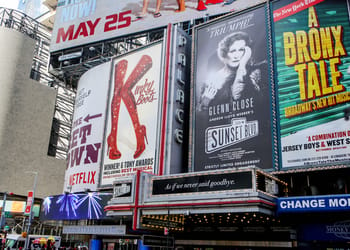
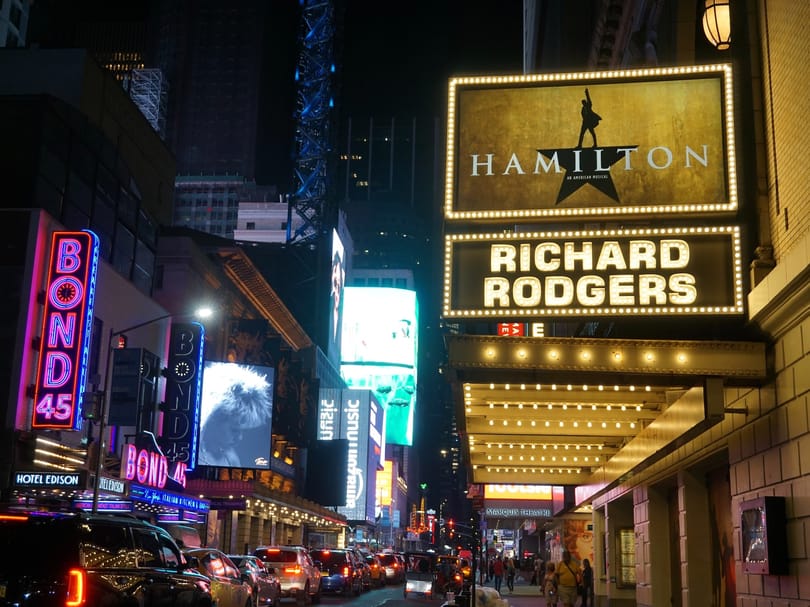
Theater marquees along Broadway

What counts as Broadway?

"Broadway" isn't just a street. It's a specific group of around 40 professional theaters with 500 or more seats, almost all clustered in the Theater District between roughly 41st and 54th Streets, west of Sixth Avenue. Many of them aren't actually on Broadway itself but on the side streets, especially West 44th, 45th and 46th Streets. Smaller venues with roughly 100 to 499 seats are known as Off-Broadway, and they're often where tomorrow's hits (and some of today's most daring work) begin.

Don't dismiss Off-Broadway as second best. Tickets are usually cheaper, the houses are intimate and several of the biggest musicals of recent decades started life downtown before transferring uptown.

Times Square in New York City
Times Square, the gateway to the Theater District

Option 1: buy in advance

If there's one show you absolutely must see, especially a hit on a weekend, buy ahead. Your safest route is the show's own website, which links to its official ticketing partner. Be wary of search results that look official but are resale sites charging a hefty markup.

The box office trick: buying in person at the theater's box office usually lets you avoid most of the online service fees, and staff can tell you honestly about sightlines. Box offices generally open late morning, so it's easy to swing by while you're sightseeing in Midtown.

Premium and resale seats: for the hottest shows, some of the best seats are sold at dynamic "premium" prices by the producers themselves. Resale can be the only option for sold-out nights, but compare prices carefully.

Option 2: the TKTS booth

Look for the glowing red steps in Father Duffy Square, the northern end of Times Square around 47th Street. Underneath is the TKTS booth, run by the nonprofit Theatre Development Fund, which has been selling discounted same-day theater tickets since the 1970s. Discounts go up to 50 percent, with each show setting its own, and the board lists what's available that day.

  • The biggest hits rarely appear, but plenty of excellent long-running shows and newer productions do.
  • Matinee tickets are typically sold on the day of the performance, as are evening tickets. Check the TKTS website or app for current booth hours and locations.
  • Lines can look daunting, but they move quickly. Have two or three shows in mind so you're not choosing under pressure at the window.

Local tip: even if you're not buying, climb the red TKTS steps after dark. They're free, they're one of the best people-watching seats in the city, and the view straight down Times Square is spectacular.

Option 3: digital lotteries

Many Broadway shows hold a daily digital lottery for a small number of heavily discounted seats, often front row or partial view. You enter online or through an app, usually the day before or the morning of the performance, and winners are notified by email or text with a short window to pay.

Lotteries are run through a mix of platforms, including the shows' own apps and sites like Broadway Direct, Lucky Seat and TodayTix. Hamilton famously offers a limited number of low-price seats through its own app. The odds for the biggest hits are long, so enter for several shows at once and treat any win as a bonus.

Option 4: rush and standing room

Rush tickets are cheap same-day seats released when the box office opens (general rush), for students with valid ID (student rush) or through an app (digital rush). Serious rush-seekers line up early in the morning for popular shows.

Standing room is sometimes sold when a performance is fully sold out. It's a budget-friendly way into a hit, if your legs are up for it.

Policies vary by show and change often. Playbill and BroadwayWorld both keep running lists of current lottery and rush policies.

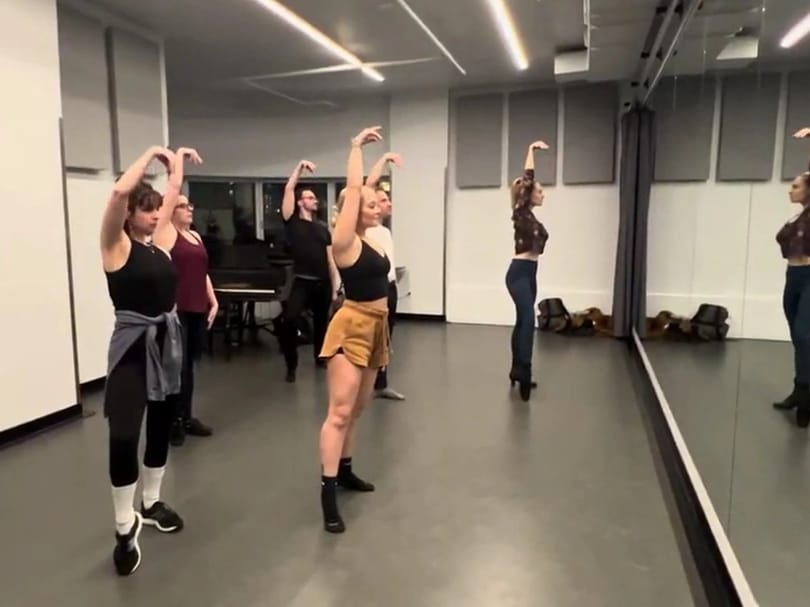
Learning Broadway choreography with a working performer

How to choose a show

With dozens of productions running at once, the question isn't whether there's a show for you, it's which one. A few ways to narrow it down:

  • First-timers and families: big, spectacular musicals are hard to beat. Long-running favorites like The Lion King, Wicked and Chicago, the longest-running American musical in Broadway history, have been crowd-pleasers for decades.
  • Comedy fans: The Book of Mormon has been making audiences laugh (and occasionally blush) since 2011.
  • History and hip-hop: Hamilton remains one of the most in-demand tickets in town.
  • Something new: each season brings new musicals and plays, often with Hollywood stars in limited runs. Check recent reviews and the Tony Award nominations, announced each spring.

Shows open and close all the time, so check what's playing for your dates before you get your heart set on one.

Where to sit

Broadway houses are much more intimate than most first-timers expect, so there are very few truly bad seats. That said, a little knowledge goes a long way:

  • Orchestra: the ground floor. Close to the action, but the first few rows can mean craning your neck.
  • Front mezzanine: often the sweet spot for big musicals, especially for choreography and staging you'll want to see as a whole.
  • Rear mezzanine and balcony: the best value. Check whether the theater's upper levels are steep before you book if heights bother you.
  • Partial view: seats near the sides or behind a pillar can be a bargain, but read the description carefully.

Performances often run a little under three hours with an intermission. Many shows are dark (closed) on Mondays and add matinees midweek and on weekends, but schedules vary, so check yours.

Your Broadway night checklist

  • Check the show's official website for current schedules, running time and age guidance
  • Enter digital lotteries for several shows a day or two ahead
  • Have a backup plan for TKTS or rush if the lottery doesn't come through
  • Arrive at the theater 30 minutes early for bag checks and the restroom line
  • Keep bags small, since there's little space under the seats
  • Silence your phone and don't film the show
  • Grab a drink or snack at intermission, or bring a sweater for chilly air conditioning
  • Wait at the stage door afterward if you'd like to see the cast
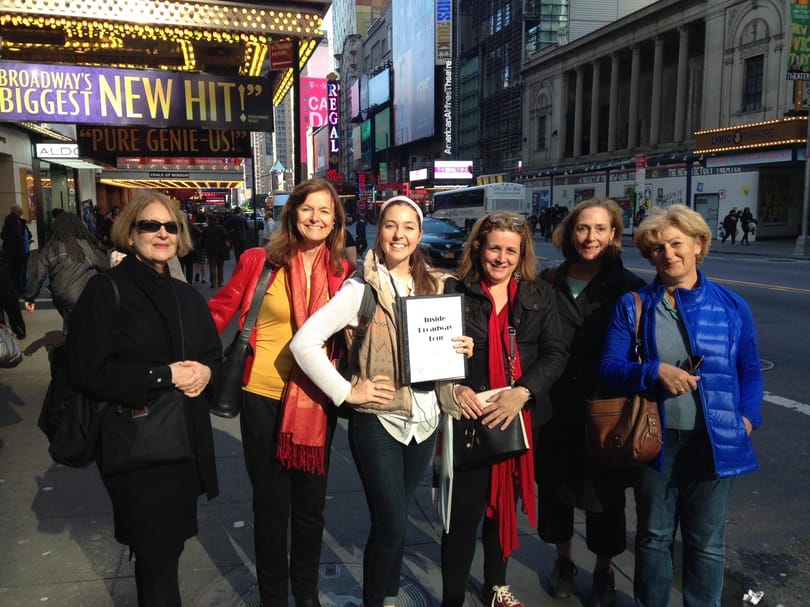
ExperienceFirst Broadway tour guide with guests
Exploring the Theater District with a guide

Make a night of it

The Theater District has its own traditions. Walk through Shubert Alley, the private lane between West 44th and 45th Streets where actors once gathered hoping to be cast. Look for the caricatures lining the walls at Sardi's on West 44th Street, a theater hangout for about a century. And for a pre-theater meal, Restaurant Row on West 46th Street is designed for curtain-up timing. Tell your server what time your show starts.

Go behind the curtain

Want the stories behind the marquees? Our Private Broadway and Times Square Inside Tour takes your group through the Theater District with a licensed guide, from legendary theaters to the spots where stars got their big breaks. To go further, learn a real routine in our Dance Like a Broadway Star Workshop, or swap stories over a meal at a Private Dinner With a Broadway Artist.

New York Experience is run by ExperienceFirst, a New York tour company founded in 2009.

Broadway ticket FAQs

Digital lotteries and rush tickets are usually the cheapest options, followed by same-day discounts at the TKTS booth. Availability varies by show, so check current policies before you go.
Buying in person at the theater box office usually avoids most online service fees, though the ticket price itself is generally the same.
The main TKTS booth sits beneath the red steps in Father Duffy Square, at the northern end of Times Square near 47th Street. Check the TKTS website for current hours.
There's no dress code. Most people wear smart casual clothes, and some dress up for a special night out. Theaters can be cool, so a light layer is useful.
Yes, many shows welcome families, but most theaters require every person to have a ticket regardless of age and some shows recommend a minimum age. Check the show's website for guidance.