All posts

September 23, 2026

Where to Stay in New York: How to Choose the Right Neighborhood

Choosing where to stay in New York is really choosing what kind of trip you'll have. The same budget can buy you a compact room steps from Times Square, a quieter base beside Central Park or a stylish spot across the river in Brooklyn with a skyline view. Each has trade-offs in convenience, noise, price and personality.

Our guides meet visitors from every corner of the city every day, so we hear what works and what people wish they'd known. Here's an honest guide to the main neighborhoods, who each one suits, and how to decide.
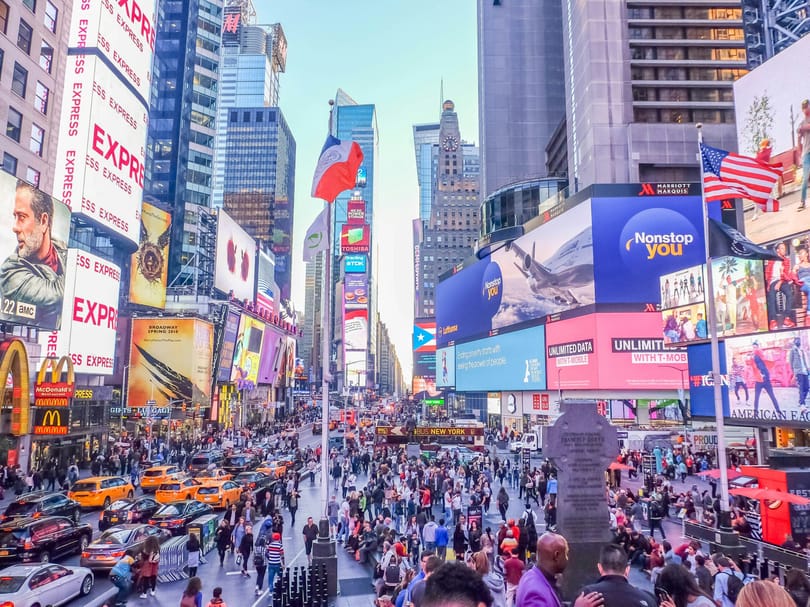
Crowded Times Square in the day time in NYC
Times Square by day: the heart of Midtown, and the most convenient (and busiest) base

First, the rule that matters most

In New York, distance to a subway station beats distance to the sights. A hotel two minutes from an express stop in a quieter neighborhood will often get you around faster than one in the middle of Midtown that's a long walk from the train. When you compare hotels, open a map and look at which subway lines are nearby and whether they run express. Our guide to riding the subway like a local explains how the lines work.

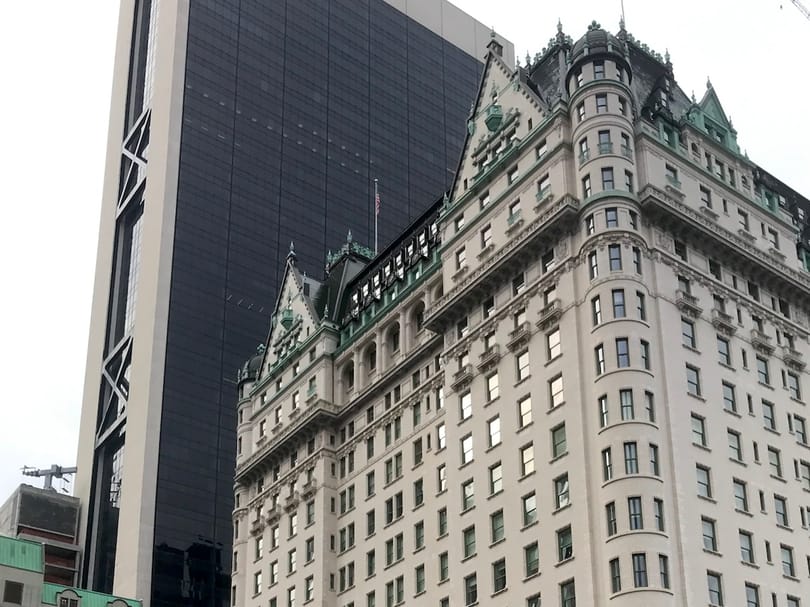
View of Plaza Hotel exterior in New York
The Plaza Hotel on Fifth Avenue

Midtown: maximum convenience

Best for: first-timers, short stays, theater lovers.

Midtown, roughly from the 30s to Central Park, holds Times Square, the Broadway theaters, Rockefeller Center, Grand Central, the Empire State Building and Fifth Avenue shopping. Almost every subway line passes through, and you can walk to a remarkable number of sights.

The trade-off is atmosphere. Midtown is crowded, noisy and heavy on chains, and the blocks right around Times Square rarely sleep. Look slightly east, near Grand Central and Murray Hill, or west toward Hell's Kitchen, where you'll find better neighborhood restaurants and slightly calmer streets.

Financial District NYC
The Financial District's historic canyons

Lower Manhattan: history and harbor views

Best for: history buffs, Statue of Liberty and 9/11 Memorial visitors, weekend deals.

The Financial District and the Seaport put you beside the Statue of Liberty ferries, the 9/11 Memorial, Wall Street and the oldest streets in the city. Hotels here are often good value on weekends, when office workers disappear. The World Trade Center and Fulton Street transit hubs connect to many subway lines and to PATH trains.

The flip side is that some blocks feel quiet at night, and Midtown and uptown sights are a subway ride away. Tribeca, just to the north, is more residential and upscale. If you want to understand the area before exploring, our Private Lower Manhattan Walking Tour covers Wall Street and the 9/11 story with your own guide.

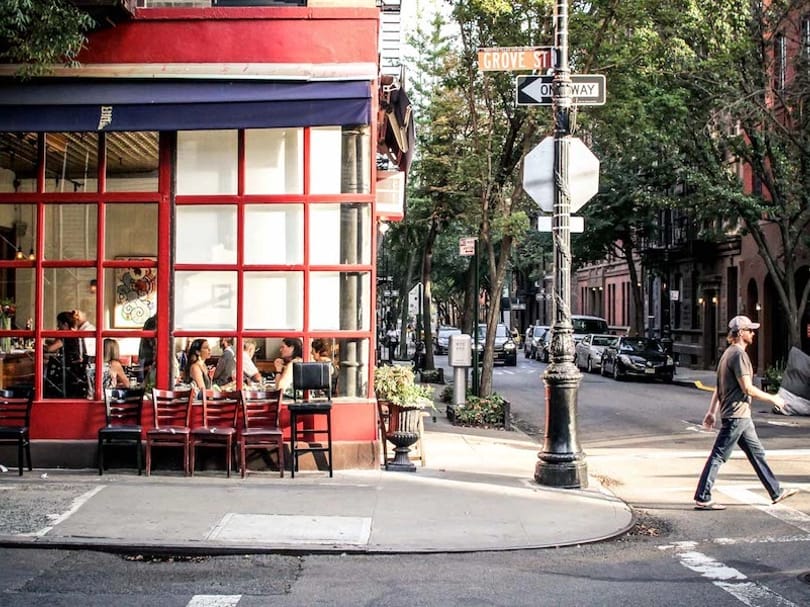
A leafy Greenwich Village street

Greenwich Village and around: the neighborhood feel

Best for: couples, return visitors, food and nightlife lovers.

Greenwich Village, the West Village and nearby SoHo, Chelsea and the Flatiron District are where many visitors imagine themselves living. Tree-lined streets, brownstones, small restaurants, jazz clubs and comedy rooms make it the most atmospheric part of Manhattan to come home to at night.

Hotels here are fewer and often pricier, and rooms can be small. But the subway connections are strong, and you'll be walking distance from the High Line, Washington Square Park and some of the city's best dining. Read our Greenwich Village secrets for a taste of what's on your doorstep.

Upper West Side and Upper East Side: calm, classic and park-side

Best for: families, museum lovers, longer stays, light sleepers.

Flanking Central Park, these two residential neighborhoods are where you'll see New Yorkers going about everyday life: walking dogs, pushing strollers and lining up at bakeries. The Upper West Side is home to the American Museum of Natural History, Lincoln Center and Riverside Park, with the 1, 2 and 3 trains and the B and C trains running down its length. The Upper East Side has the Museum Mile along Fifth Avenue, including the Met and the Guggenheim, and is served by the Lexington Avenue lines and the Second Avenue Subway.

Both feel safe, relaxed and village-like, and they're wonderful for families. Expect a 15- to 25-minute subway ride to Midtown and longer to Lower Manhattan, and fewer late-night options.

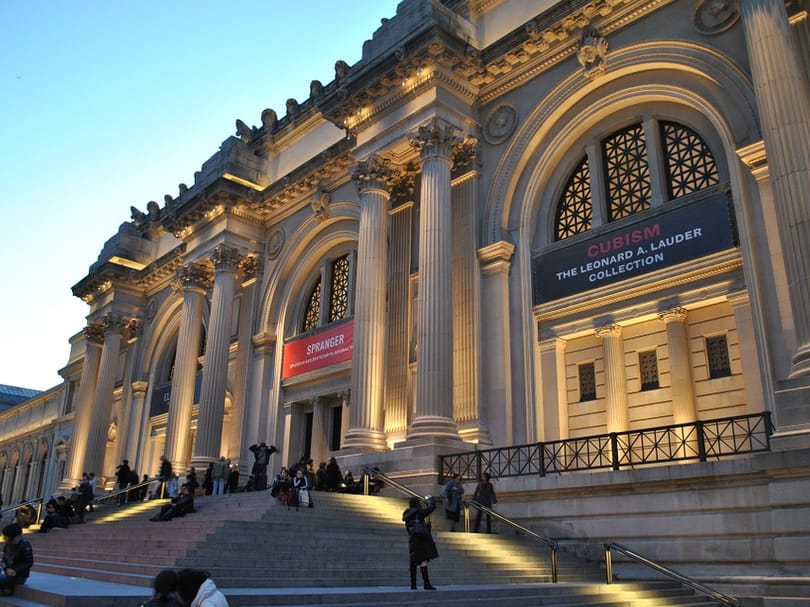
The Metropolitan Museum of Art in New York City
The Metropolitan Museum of Art on the Upper East Side's Museum Mile
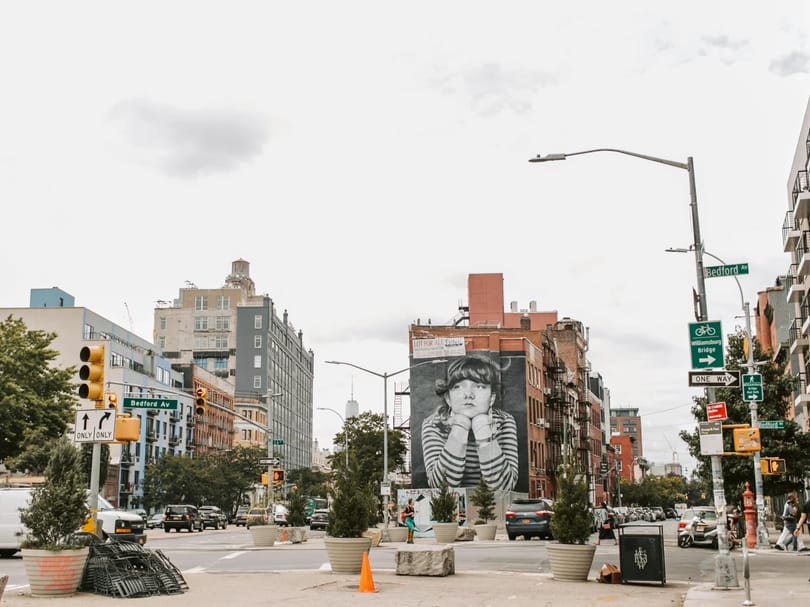
Street view in Williamsburg Brooklyn
Street life in Williamsburg, Brooklyn

Brooklyn: the view back at Manhattan

Best for: repeat visitors, creatives, travelers who want more space for their money.

Brooklyn isn't one neighborhood but dozens. DUMBO and Brooklyn Heights sit right across the East River, with postcard skyline views and quick trains into Lower Manhattan. Williamsburg is lively, design-forward and packed with bars, restaurants and shops, a short ride on the L train from Manhattan. Hotels here can offer larger rooms and a more local feel for similar money.

The trade-off is travel time to Midtown and uptown sights, especially late at night. Choose a hotel near a station with direct service to where you'll spend most of your time. For more on the outer boroughs, see why Brooklyn, the Bronx and Queens deserve a day.

A note on vacation rentals

New York City strictly regulates short-term rentals of fewer than 30 days. Hosts must register with the city, live in the home and be present during your stay, and can host no more than two guests, so renting a whole apartment for a short trip is generally not allowed. Before booking, check that the listing complies with current city rules, or you risk a last-minute cancellation. For most short trips, a hotel is the simpler choice.

Quick match

First visit, short stay
Midtown
History and harbor
Lower Manhattan
Atmosphere and dining
Greenwich Village, SoHo, Chelsea
Families and museums
Upper West Side or Upper East Side
Local vibe, more space
Brooklyn

Before you book a hotel

  • Check the walk to the nearest subway station and which lines stop there
  • Read recent reviews for noise, especially for street-facing rooms
  • Confirm room size; New York rooms can be very compact
  • Look for resort or destination fees in the final price
  • Compare weekday and weekend rates, especially downtown
  • Check that any short-term rental meets city rules

Get to know your neighborhood fast

Wherever you stay, a guided walk on your first day helps you understand how the city fits together. Our NYC in a Day Walking Tour is a great orientation for first-timers, and our private tours, including the Private Greenwich Village Walking Tour and the Private Midtown Walking Tour With Empire State Building, bring any neighborhood to life. Staying in Brooklyn? Our Brooklyn, Bronx and Queens bus tour shows you the boroughs beyond Manhattan.

New York Experience is run by ExperienceFirst, a New York tour company founded in 2009.

Where to stay FAQs

Midtown is the most convenient for a first visit, with Times Square, Broadway, Rockefeller Center and most subway lines on your doorstep. If you prefer calmer streets, consider the edges of Midtown or the Upper West Side.
Manhattan is more convenient for sightseeing. Brooklyn neighborhoods like DUMBO, Brooklyn Heights and Williamsburg can offer more space and a local feel, with quick subway rides into the city.
The Upper West Side and Upper East Side are largely residential and generally calmer at night than Midtown or downtown nightlife areas.
Yes, especially if you plan to visit the Statue of Liberty and the 9/11 Memorial. Weekend hotel rates are often better than in Midtown, though some streets are quiet after office hours.
New York City strictly regulates rentals of fewer than 30 days: the host must be registered and present, with no more than two guests, so whole-apartment short stays are generally not allowed. Check that any listing complies with current city rules before you book.